
Mrs Bentzien
Autumn Term Information 2026
Happy New Year!
My name is Mrs Bentzien and I am the year 2 class teacher and Deputy Head. My other roles include; school SENDco (Special Educational Needs and Disabilities Co-ordinator), Senior Mental Health Lead and PSHRE subject lead.
Here is our class timetable for Autumn 2026

Homework
Homework is handed out every Friday and needs to be returned by the following Wednesday.
English
Autumn Stimulus Text 1: Little Green Dinosaur by Pie Corbett.
Our focus will be fiction stories. The children will learn to orally retell the story of the Little Green Dinosaur using actions (Talk 4 Writing). They will describe dinosaurs, use time connectives to start sentences and then rewrite the story in their own words.
Autumn Stimulus Text 2: Look Up! by Nathan Byron.
Our writing focus will be information texts. The children will learn the features of information texts before researching Mae Jemmison and producing an information report about her life and achievements.
SPaG - we will learn the different word classes including nouns, adjectives, verbs, adverbs and time connectives. We will learn how to write statement, command and question sentences.
Reading at Home – Please read as much as possible at home and keep a note in your child’s reading record. Make sure your child has their reading book and diary in their bag each day as each child will read at different points in the week.
Once your child has completed the Little Wandle Reading spine, they will be moved onto Book Bands. Book Bands for Parents.
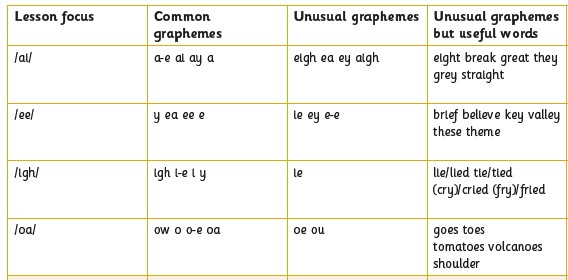
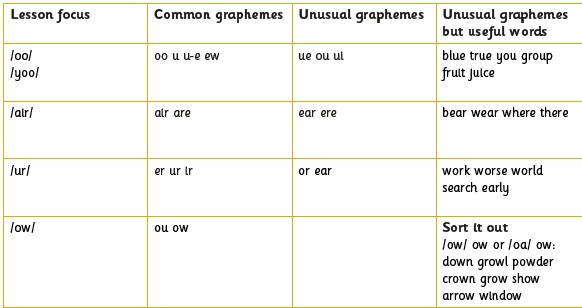
Little Wandle
During the Autumn Term we review the Phase 5 phonemes and spelling patterns.
Maths
Our focus this half term will be Place Value and then Addition and Subtraction. We will consolidate prior learning by revisiting place value at the start of the term. The children will use tens and ones frames, Base 10 equipment, part whole models and tens frames to make, order and compare different 2 digit numbers. The children will use < > and = to compare different numbers. We will then work on different strategies for addition and subtraction.
History – The Gunpowder Plot
This half term our focus will be history. The children will learn about Guy Fawkes and the Gunpowder Plot. They will create a timeline of events, take part in drama activities and write letters in role.
PE
The children will need to come to school wearing their full Mobberley PE kit on a Tuesday and Thursday this term.
Art
Art is taught on a Wednesday afternoon by Mrs Franklin.
Religious Education
RE is taught on a Wednesday afternoon by Mrs Franklin. The children will be learning about Christianity and the Bible.
Kapow PSHE
Kapow has 5 units of learning:
- Family and Relationships
- Health and Wellbeing
- Safety and the Changing Body
- Citizenship
- Economic wellbeing
Family and Relationships
Learning how to form respectful relationships with others, deal with conflict and bullying and the importance of challenging stereotypes.
Health and Wellbeing
Learning strategies for looking after their mental and physical health, including: healthy eating, relaxation techniques, sun safety, immunisation facts and the benefits of sleep.
Safety and the Changing Body
Learning how to administer first aid in a variety of situations and about safety around medicines, online and road safety and the changes which occur during puberty.
Citizenship
Learning about human rights and the rights of the child, democracy, diversity and community and protecting the environment.
Economic Wellbeing
Learning how to make decisions when it comes to spending, budgeting and savi
My Happy Mind
We will continue to use My Happy Mind to help children develop their awareness of their own strengths and wellbeing.
My Happy Mind is taught across five modules and each introduces a new set of content and habits to help children build resilience, self-esteem and confidence.
Meet Your Brain
Understanding how your brain works and how to ensure we look after it so that we can manage our emotions and be at our best. Growth mindset is a key part of this too.
Celebrate
Understanding your unique character strengths and learning to celebrate them. This is a fantastic module for building self esteem.
Appreciate
Understanding why gratitude matters and how you can develop gratitude as a habit. Gratitude is key to well-being and resilience and we’re all about making it a habit!
Relate
Understanding why positive relationships matter and how to build them. We’re focussed on the building blocks of good relationships and friendships.
Engage
Understanding how to set meaningful goals that matter and how to keep resilient in times of challenge. This module is all about building self esteem and resilience too.